


Aging is an inevitable part of life. Over time, physical changes appear, energy declines, and the
body gradually loses resilience. For most people, aging is simply accepted, with the goal of living
as long and as healthily as possible. However, for some, aging is something to fight, delay, or
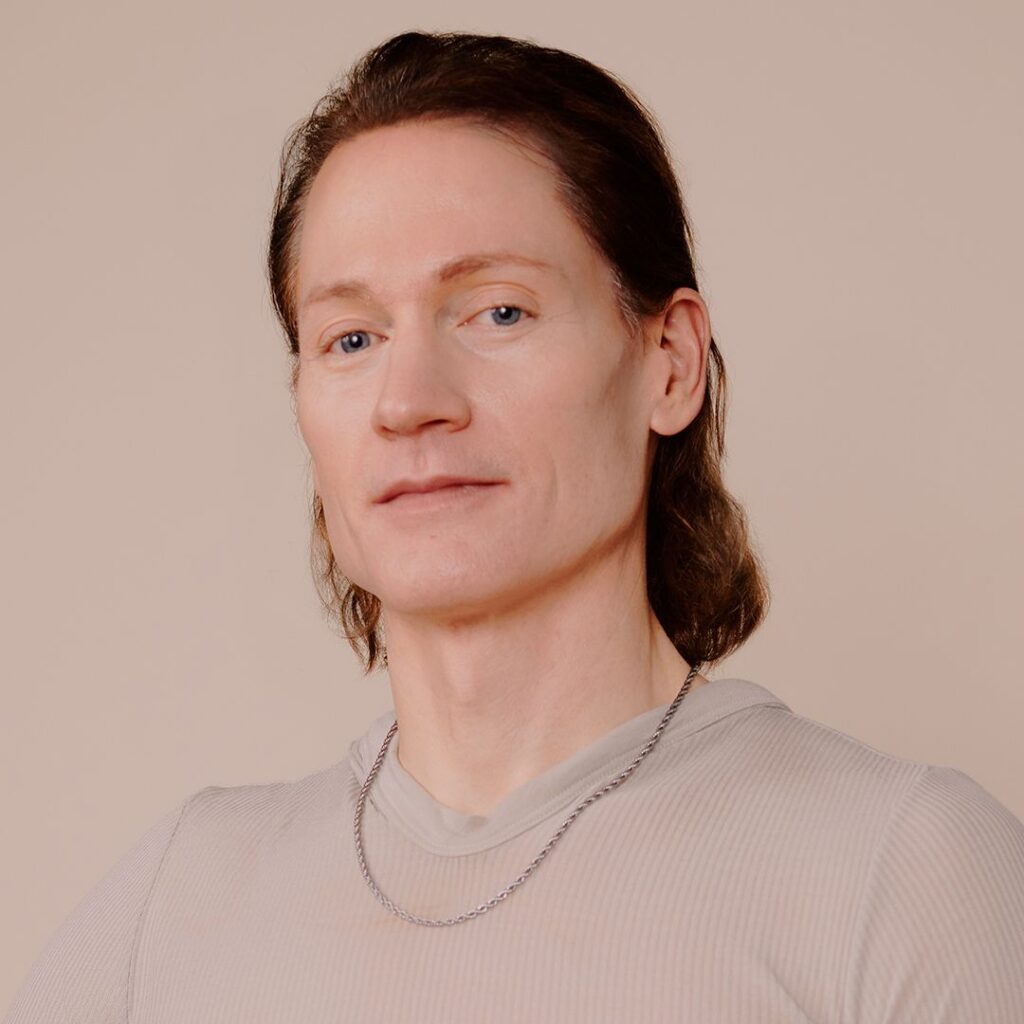
even attempt to reverse. Enter tech entrepreneur Bryan Johnson, who owns Braintree, which he
sold to PayPal. Johnson is not just interested in living longer; he is focused on staying
biologically young.1
invests millions of dollars annually in an extreme diet aimed at slowing and potentially
reversing the biological clock. The experiment conducted by Johnson, which included very
well-considered meals and dozens of supplements per day, is intended to extend human
lifespan.2 But the question remains: can one ever beat aging, or is it an expensive fantasy?
Who Is Bryan Johnson?
Bryan Johnson is best known in the technology world for his business projects and
unconventional ideas. He founded Braintree, a payment platform that made online transactions
easier for businesses worldwide. In 2013, PayPal acquired the company at a valuation of $800
million, making Johnson one of the most successful entrepreneurs in Silicon Valley.3
However, unlike most, who invest their wealth either in new businesses or in charitable
activities, Johnson turned his focus inward, toward his own biology. After achieving financial
security, he turned to another frontier, namely human longevity. He does not only wish to live
longer, but he wants to reinvent the image of aging altogether.
This is not a casual interest.
Johnson has a plan to measure and optimize all his body components through a program he
calls Project Blueprint, which he hopes to follow to the letter. From organ health and hormone
levels to cellular repair and cognitive performance, nothing is left unmeasured. He has hired a
team of physicians, researchers, and data analysts who constantly monitor his body, producing a
continuous stream of information used to adjust his routine.
The difference between Johnson and others lies in their intensity and commitment. Although
intermittent fasting, exercise regimens, and supplements are among the methods most longevity
enthusiasts may consider, his method has a high level of structure and precision and, at times,
invasiveness. He has regular medical checkups, sophisticated imaging, and experimentation. It
offers a glimpse into what some futurists believe could become the future in personalized
medicine, in which the body is viewed as a system to be continuously optimized. Simultaneously,
the life of Johnson poses an essential question: is it the future of health or an exception that can
occur only with the help of extraordinary wealth and obsession?
What Is He Actually Doing?
Johnson’s program is categorized as extreme and is built on three closely monitored pillars: diet,
supplementation, and lifestyle optimization. These pillars are not just general health principles
but also but are designed to produce measurable, data-driven changes in aging.
➔Diet
Johnson follows a very strict, plant-based diet, calculated to the last detail. Each meal will be
pre-balanced and contain a particular amount of calories, macronutrients, and micronutrients.
Foods are not selected based on their taste or convenience, but on their biological impact on the
human body, such as anti-inflammatory effects, effects on blood sugar, and effects on cell repair.
This goes far beyond casual healthy eating. It is more like a clinical protocol, with all ingredients
serving a specific purpose. Meal intake timing is also regulated to be synchronous with
metabolic and circadian cycles. The objective here is consistency: removing variability to ensure
that changes in biomarkers can be correctly attributed and corrected.
➔Supplements
Johnson reportedly takes dozens of supplements per day, including vitamins and minerals, as
well as more targeted compounds meant to support longevity pathways. They are not taken
randomly; all supplements are chosen based on testing and observed results. Effectiveness is
assessed through bloodwork and other diagnostics, and it can be continually improved.
This practice is indicative of a wider shift in biohacking, in which supplementation is treated as a
precise tool rather than a general health aid. But it also brings up issues of safety in the long run,
interactions, and diminishing returns- where scientific consensus remains in a state of
development.
➔Lifestyle Optimization
Johnson does not rely solely on diet and supplements; his daily routine is optimized with great
precision. Sleep is monitored and optimized using the principles of strict schedules,
environmental regulation, and biometric monitoring. Exercise is designed to balance
cardiovascular health, strength, and recovery, with a low risk of injury or overtraining.
Even light exposure is regulated, and it is understood that light affects circadian rhythms and
hormonal balance.4 Morning sunlight to evening blue-light cutting, every component is adjusted
to support his physiological processes. The discipline is not a characteristic attribute of
Johnson’s approach, but rather data. All actions feed into a feedback loop in which results are
measured, analyzed, and modified.
He is not just living a healthy life; he is conducting an ongoing experiment on himself.
Such accuracy is used infrequently, even by health fanatics, and it raises a critical question on
sustainability. Is such a structured living sustainable? And more to the point, is the marginal
benefit worth the great cost and labor?
The Results
Johnson states his experiment is giving measurable results. His biological markers have
improved according to his reported data, with many showing significant improvement. These
include markers related to cardiovascular health, inflammation, metabolic efficiency, and
biological aging.5 A reduction in biological age is one of the most notable claims, an idea that
gauges the body’s age using physiological data rather than years. In other instances, Johnson
records organ systems functioning at a level similar to that of much younger individuals.
These results are convincing on the surface. They propose that aging is not necessarily as
predetermined as it used to be and that specific interventions can significantly affect the aging
process. Nevertheless, it should be approached with caution. The field of longevity science
remains a relatively young discipline, and the variety of biomarkers used to determine biological
age is not universally accepted.6 Positive changes in these markers would not necessarily lead to
a longer life or a decline in age-related diseases in the long run.
One more issue the critics draw on is that Johnson’s experiment is technically essentially a
single-subject experiment. In the absence of large, peer-reviewed studies, it is hard to know
whether his findings should be generalized or specific to his own biology and resources.7 There
are diminishing returns as well. Though gains in health indicators are often seen in the short
term during the implementation of structured health interventions, it becomes increasingly
difficult to maintain or even increase those gains. Johnson’s findings are interesting but
inconclusive.8 They both emphasize the possibilities of data-driven health maximization and
underscore the constraints of existing scientific knowledge.
The Bigger Trend: Longevity Culture
Johnson’s experiment does not exist in isolation – it belongs to a fast-growing cultural trend that
is focused on the principles of longevity and optimization. There is growing global interest in
longevity and staying healthier, which is why more and more people are interested in longevity
and the quality of years spent in good health.
This change is informed by technological development and increased knowledge on preventive
health. The wearables can also enable people to monitor real-time parameters such as heart rate
variability, sleep quality, and physical activity. Apps provide insights into nutrition, stress, and
recovery, making daily health a data-driven experience.
Simultaneously, the wellness market has grown to encompass a broad range of products and
services, encompassing not only nutritional supplements and nootropics but also specialized
clinics offering everything from IV treatments to gene testing. Such an orientation as biohacking
or applying science and technology to maximize the body has shifted out of the fringes of certain
communities into popular culture.9
In this scenario, Johnson can be seen as the extreme edge. Most individuals can be reached
through convenient means by longevity culture by taking steps, eating better, or practicing
mindfulness, but he goes to the extreme. His experiment is high-cost, high-precision, but it is
part of a wider societal trend. However, his tale also reveals the movement’s inconsistencies.
On one hand, technology provides unprecedented means for improving health. On the contrary,
the very idea of striving for perfection may become extreme, even obsessive. The boundary of
optimization and over-engineering is more obscured. Johnson is an inspiration and a warning, a
manifestation of how long the longevity movement can become when resources and desire are
essentially endless.
Ethical & Social Questions
Longevity science is a field fraught with ethical and social issues that cannot be overlooked. The
first one is the most urgent: accessibility. The Johnson regimen is reported to cost millions of
dollars per year, far beyond the financial means of the average individual. Should other
interventions of this nature be successful in increasing healthspan or lifespan, these gains may
be concentrated among the rich and widen existing health inequalities.
This raises basic questions of fairness. Will the right to life-extending technologies become a
fundamental right or simply an indulgence? And what would societies do if major differences in
lifespan began to appear?
The other problem is the psychological effects of extreme optimization. Tracking and altering the body constantly may lead to viewing health as a constant project that consumes all thoughts. The pressure to maintain the perfect measures can cause anxiety, a loss of spontaneity, and a
loss of pleasure in everyday life.
Another philosophical enquiry is what it entails to live well. Does the purpose of life involve
making it as long as possible or living it to its fullest without creating some form of imperfection
and uncertainty to do so?
Lastly, there are wider implications for society. Longevity interventions have the potential to
transform not only healthcare systems but also retirement systems and population trends if they
become common. The spillover would go well beyond personal health and affect the functioning
of societies at a basic level.
What Actually Matters
With all the hype around the latest longevity experiments, it is easy to forget a more mundane
fact: the principles of health are very similar. The same fundamental tenets have remained in the
focus of years of research, including sufficient sleep, proper nutrition, physical exercise, coping
with stress, and proper social relationships.
These might not be as attractive as sophisticated technologies or experimental procedures, but
they are supported by substantial evidence and can be available to the majority of the
population. In the majority of situations, they have the highest turnover of the investment in
terms of lifespan and quality of life.
The approach taken by Johnson, though fascinating, is the extreme of what can be done
presently. Even a bit of his discipline, such as eating better or getting more sleep, can yield huge
health benefits for the vast majority of people, without the need for drastic measures. Balance is
something to be said also. Health is not so much a combination of measurements that can be
maximized; it is intrinsically connected to pleasure, interpersonal interactions, and happiness. Too strict a measure can enhance some biomarkers at the expense of other life parameters that
are less measurable.
Eventually, plainness can be more sustainable than radicalism. However, in the long term,
regular, moderate care is beneficial for the body, but aggressive treatment might be hard to
sustain. This balance between innovation and practicality will be necessary as longevity science
continues to evolve.
Conclusion
Bryan Johnson’s quest for extreme longevity is provocative and interesting, as it sits at the
intersection of wealth, state-of-the-art science, and human desire. This aspect is evidenced by
his very controlled way of life, which shows what can be achieved when resources and data are
pushed to their limits. But it is also a question that calls for deeper consideration: longevity is
not measured by the number of years added, but by the quality, meaning, and pleasure of those
years.
For most people, the conclusion is less radical and more realistic. A healthy lifestyle, with a
balanced diet, physical exercise, sleep, and good social relations, is the most reliable way to live a
long and healthy life. These are simple, accessible principles supported by decades of research.
At the end of it all, Johnson’s experiment poses a classic question of whether or not, by
extending life, we will be living better, or will it be the mere extension of life, and to whom?
- Bryan Johnson – Project Blueprint official protocol and public reports. ↩︎
- Biological Age vs Chronological Age ↩︎
- Braintree acquisition by PayPal (2013, ~$800M). ↩︎
- Sleep & circadian rhythm research (PubMed) ↩︎
- Lifestyle and biomarker improvements (Mayo Clinic) ↩︎
- National Institute on Aging – Research on aging ↩︎
- Peer-reviewed standards in longevity research (Nature, The Lancet) ↩︎
- Mayo Clinic, “Lifestyle Changes and Long-Term Health,” 2024. ↩︎
- Biohacking – growing trend in personal health optimization. ↩︎

