


High cholesterol has long been associated with a narrow stereotype — an overweight, sedentary
individual with unhealthy lifestyle habits. This can feel reassuring, especially for people who
exercise regularly and maintain a slim physique. When you work hard in the gym and generally
eat well, it is easy to assume everything is fine.
The reality is much more subtle.
Most healthy, active people are taken aback when routine blood tests show high cholesterol
levels1. They are individuals who run marathons, work out in gyms, and maintain a
well-disciplined routine, yet their inner health indicators say otherwise. This paradox raises a
key question: if fitness and activity are not enough, what determines cholesterol levels?
The answer lies deeper — in factors beyond appearance and physical performance.
What Is Cholesterol?
Cholesterol is often misunderstood, largely due to its negative reputation. In fact, it is an
essential substance that the body relies on for vital functions2. It is a major constituent in the cell
membrane formation, hormone synthesis (e.g., estrogen and testosterone), and in the digestive
system (bile acid formation).
Not all cholesterol behaves the same way in the body. LDL (low-density lipoprotein), often
referred to as “bad” cholesterol, can accumulate in arterial walls and increase the risk of
cardiovascular disease. In contrast, HDL (high-density lipoprotein), known as “good”
cholesterol, helps remove excess cholesterol from the bloodstream and transport it to the liver
for processing. Rather than eliminating cholesterol, the goal is to maintain a healthy balance
that supports the body’s functions without increasing health risks.
Genetics: The Hidden Factor
Genetics is one of the most overlooked contributors to high cholesterol. Although lifestyle habits
do affect cholesterol levels, your genotype may have a major influence on cholesterol
production, use, and removal.
For some individuals, this influence is significant. Genetic disorders such as Familial
hypercholesterolemia can cause the body to produce high levels of LDL cholesterol regardless of
how healthy an individual’s lifestyle may be3. In these instances, the liver is unable to clear
excess cholesterol from the blood, leading to persistently high cholesterol levels.
This means that even someone who exercises regularly, eats a healthy diet, and shows no visible
signs of illness may still have high cholesterol due to hereditary factors. It is a lesson that not
only working hard to be healthy matters, but that biology is also a significant factor.

Diet Isn’t Always Obvious
Diet is often seen as a simple part of cholesterol management, but in reality, it can be quite
complex. Even individuals who believe they are eating clean or healthy foods may unknowingly
consume hidden sources of saturated fats. Foods commonly regarded as healthy, such as certain
snacks, dairy products, or restaurant meals, may contain ingredients that can contribute to
elevated cholesterol levels.
Even typically nutritious options like nuts, oils, and cheese can become problematic when
consumed in excess. To make it even more complicated, people react differently to the same
food. A high-fat diet may not affect one individual, but it may significantly raise LDL cholesterol
in another. Diet is highly individualized and influenced by genetics and metabolism.
Exercise Helps — But Isn’t Everything
Exercise is one of the most powerful tools for maintaining overall health. Exercising enhances
heart function, increases HDL cholesterol, and promotes metabolic efficiency. However, its
effects on reducing LDL cholesterol can vary4. Some people achieve significant improvements,
whereas others see little change despite their efforts.
This highlights an important point: physical fitness does not always reflect internal health. You
can be physically fit and still have cholesterol levels that require attention. Exercise is necessary,
but it is just a small part of a larger puzzle.
Body Composition vs Metabolic Health
In a world where health is often equated with appearance, one might expect that a thin body
indicates a healthy one. This assumption, however, is deceptive. Some individuals with slim
physiques may still carry higher levels of visceral fat — the fat stored around internal organs.
This is sometimes referred to as “skinny fat,” where outward appearance does not reflect
underlying metabolic health.
Specifically, visceral fat plays a major role in the mechanism by which the liver processes
cholesterol, which may be one of the factors contributing to elevated LDL levels. This proves an
important fact: what is on the outside is not necessarily what is going on inside. Metabolic
functioning is the determinant of true health and not merely physical shape.
Hormones and Other Factors
In addition to genetic factors and dietary intake, the internal environment, particularly
hormonal balance, primarily influences cholesterol levels5. Most processes, such as the
metabolism and transport of fats in the blood, are controlled by hormones. Chronic stress raises
cortisol levels, which might adversely affect cholesterol levels. Likewise, the thyroid’s
functionality is also significant. All these conditions, like hypothyroidism, slow down the
metabolism and cause an increase in LDL cholesterol.
Another factor is age, which cannot be overlooked. Cholesterol levels tend to increase naturally
as the body ages. Lipid profiles may also be changed due to hormonal changes, including those
that menopause causes. Internal factors are silent and may not have clear symptoms, but they
can have a significant impact on overall health. To further relate the influence each factor has on
cholesterol, the following is a breakdown:
| Factor | What Happens in the Body | Impact on Cholesterol |
| Chronic Stress (Cortisol) | Prolonged stress increases cortisol levels, affecting metabolism and fat regulation. | Can raise LDL cholesterol and disrupt overall lipid balance. |
| Thyroid Function | Regulates metabolism and fat processing; slowed in hypothyroid conditions. | Leads to higher LDL due to reduced cholesterol clearance. |
| Age | Metabolic processes become less efficient over time. | Gradual increase in cholesterol levels is common. |
| Hormonal Changes (e.g., Menopause) | Decline in hormones like estrogen affects fat distribution and metabolism. | May increase LDL and lower HDL, raising cardiovascular risk. |
Lifestyle Factors Beyond Exercise
Exercise is significant in keeping the heart healthy, but it does not work on its own. Daily habits outside the gym also play a significant role in influencing cholesterol levels. In fact, some lifestyle factors may silently negate the benefits of exercise, so even active people may still have unhealthy cholesterol levels. The very influential factors include:
- Sleep Quality
Sleep is a key pillar of good health, but it is often overlooked. Lack of sleep or irregular sleep disrupts the body’s hormonal system, including hormones that regulate metabolism and fat metabolism. In the long run, this may lead to high LDL cholesterol and low HDL cholesterol. Lack of sleep also increases stress hormones, further exacerbating the issue and making it more difficult for the body to maintain proper lipid balance.
- Alcohol Consumption
While moderate alcohol consumption may be acceptable for some individuals, excessive intake can negatively impact cholesterol levels. Alcohol has been known to boost triglycerides, a form of fat in the blood, and can help in raising overall cholesterol when taken in large quantities. It can also affect the liver, which is essential for cholesterol processing and regulation.
- Smoking
There is a direct negative effect of smoking on cardiovascular health. It damages the lining of blood vessels, making it easier for cholesterol to accumulate in the arteries. Moreover, smoking reduces the levels of good cholesterol (HDL), thereby lessening the body’s ability to clear excess cholesterol from the bloodstream. This poses a two-fold threat, elevating harmful cholesterol and reducing protective cholesterol.
- Chronic Stress
Stress is a problem that should not be underestimated, as it has serious long-term implications for the body. Constant stress triggers an increase in cortisol levels, which may disrupt the normal metabolism of fats and cholesterol. It can also trigger unhealthy individual actions, such as an unbalanced diet or sleep deprivation, which can further aggravate cholesterol levels. The effect of chronic stress on an unfavorable lipid profile over time is silent and can occur in otherwise active people.

What You Can Do
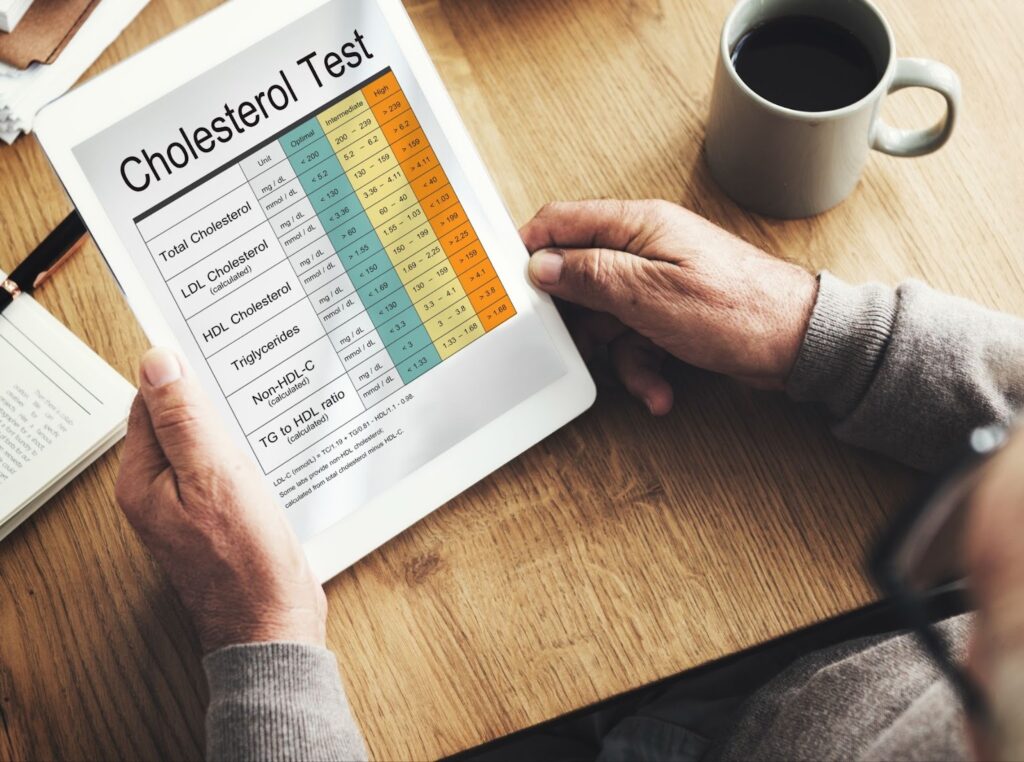
The first step towards effectively managing cholesterol is recognizing that it is a multifactorial issue. Instead of just basing it on looks or athletic capability, one should be more informed and proactive. They must have regular blood tests, as they provide a clear picture of what is going on inside. A nutritious diet with high fiber, whole grains, and healthy fats will help maintain healthy cholesterol levels, whereas a consistent daily regimen will keep it stable over time.
It is equally crucial to consider factors such as stress and sleep, which are often overlooked but have a profound impact. In cases with a genetic predisposition or increased risk, medical guidance can be highly beneficial, whether through lifestyle changes or medication.
Conclusion
Cholesterol is far more complex than common stereotypes suggest. Although exercise and fitness are admittedly healthy, they do not necessarily ensure a healthy cholesterol level. All the factors mentioned, genetics, diet, hormones, and lifestyle, all interact in a way that is not necessarily on the surface.
The key takeaway is to avoid assumptions based on appearance and instead stay informed and proactive. Real health is knowing your body well, constantly checking on it, and having a well-balanced lifestyle that is not only about fitness.

